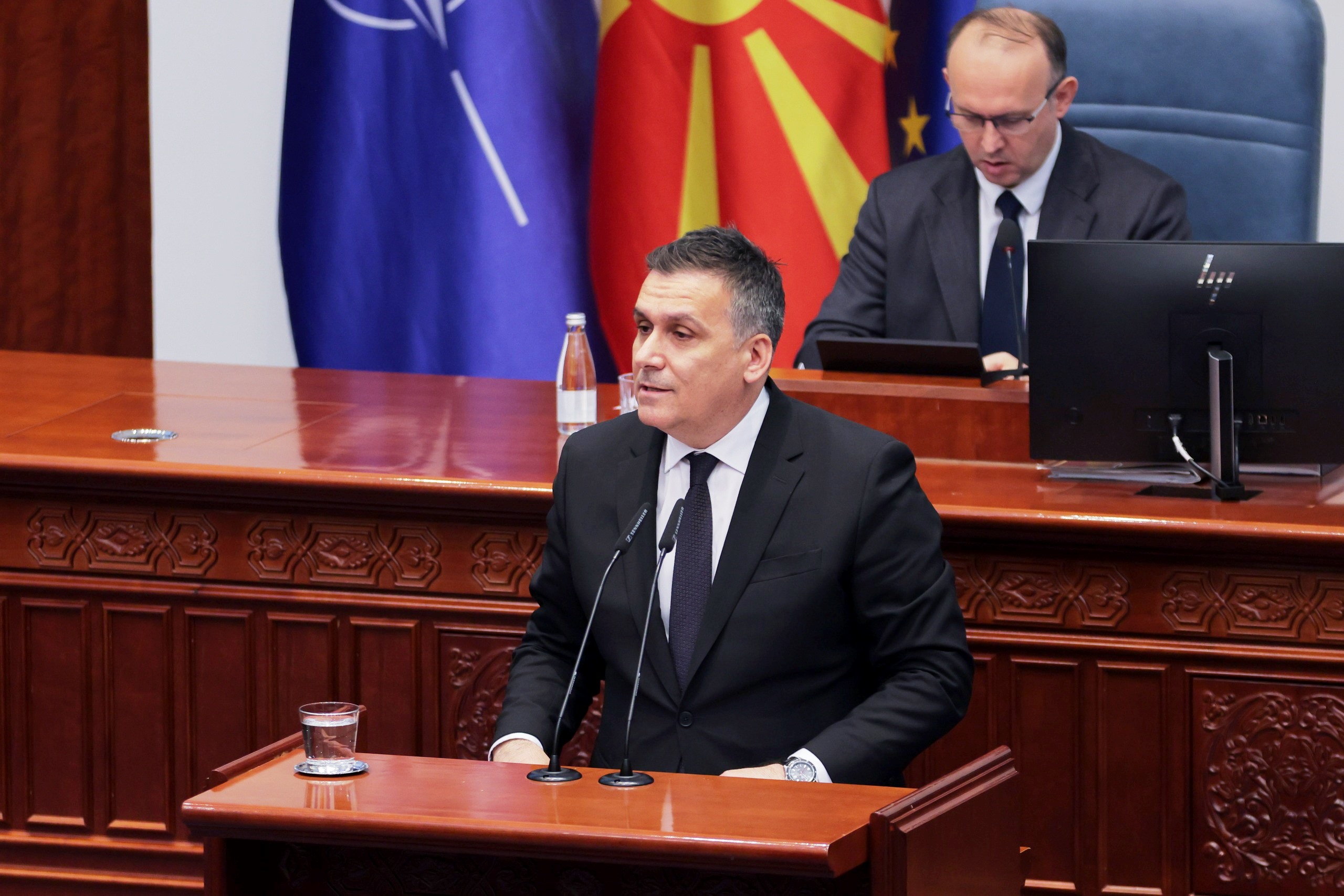
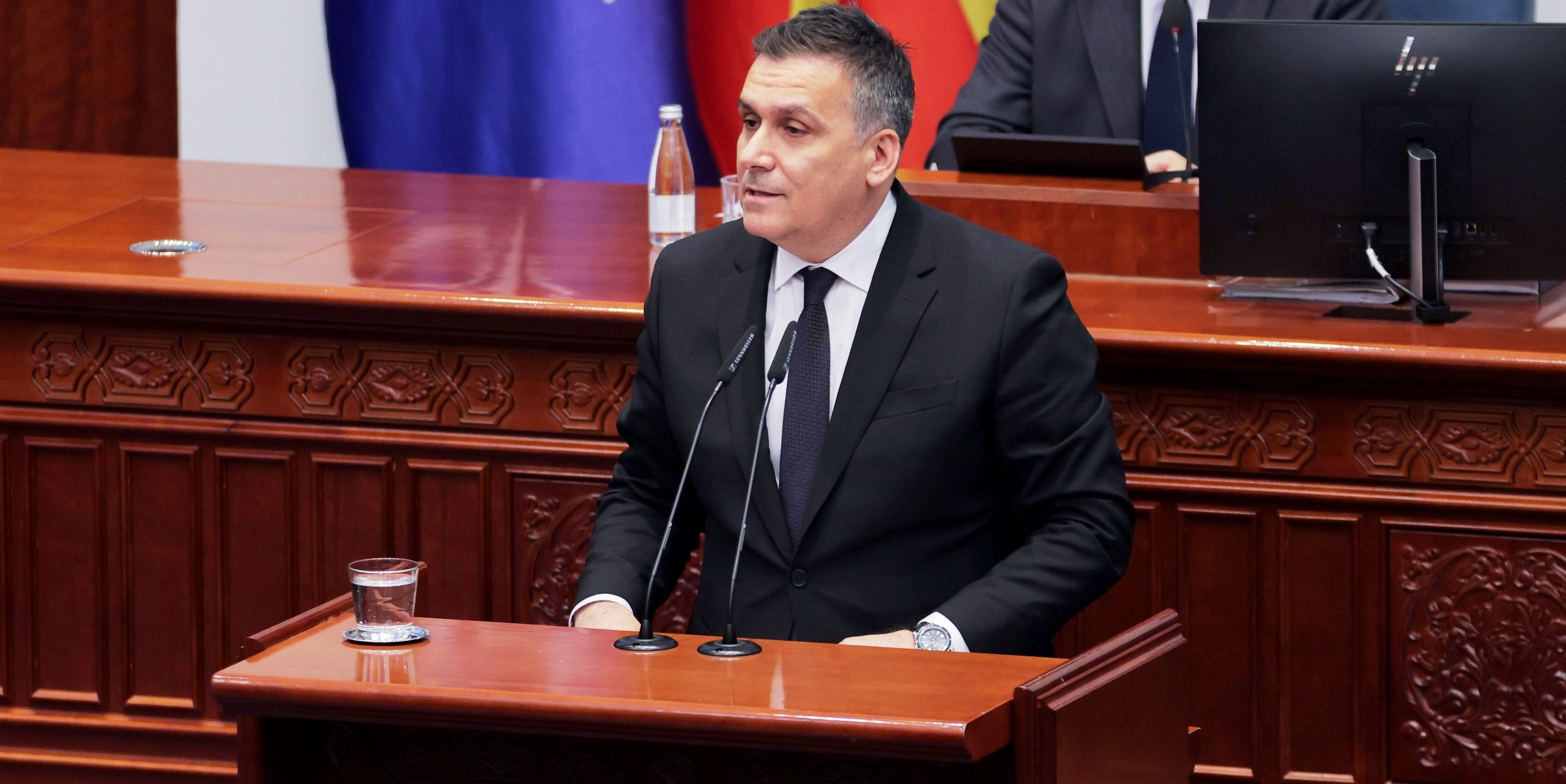
The Minister of Environment and Physical Planning, Muamet Hoxha, attended today the opposition questions session in the Assembly of the Republic of North Macedonia.
In response to a question regarding waste management, Minister Hoxha stated that the regional waste management system is the focus of his work, describing it as an extremely important strategy that is finally seeing the light of day and is no longer just a document on paper, but is being actively implemented on the ground. Illegal dumpsites, poorly functioning or non-functional dumpsites are all becoming a thing of the past, through a complete shift in the way the waste problem is addressed, which is partly reflected in the commencement of infrastructure and equipment development for the three regional centers in Rusino, Novaci and Sveti Nikole.
Regarding the question on air pollution as one of the most serious challenges, Minister Hoxha noted that the focus is placed on industry and institutions, as he believes that responsibility and example-setting should be stronger in these sectors.
With the new Law on Industrial Emissions, which enters into force in 2027, and the announced public debate on the new permit for USJE, efforts are being made to build citizens’ trust through open dialogue, based on facts and expert support.
In 21 state-owned building, a transition to environmentally friendly heating has already been carried out. These are part of the 70 facilities across the country that are covered by this project of the Ministry of Environment. Regarding measures for households, vouchers for inverter air conditioners are currently being distributed, a measure implemented by the Ministry of Energy, through which 4,300 families will reduce pollution by changing the way they heat their homes.
Minister Hoxha also responded to a question related to water resources, emphasizing that water management is not only a technical issue, but a strategic one, as water governance is being systematically improved through reforms, investments, and harmonization with EU standards.
The Ministry of Environment and Physical Planning sets water policy as one of the key pillars of sustainable development.
In the past period, significant steps forward have been made, confirming the commitment to alignment with European legislation and the establishment of a modern water management system.
These processes are not declarative, but are supported by concrete measures, investments, and partnerships with international institutions, with a systematic and responsible approach.