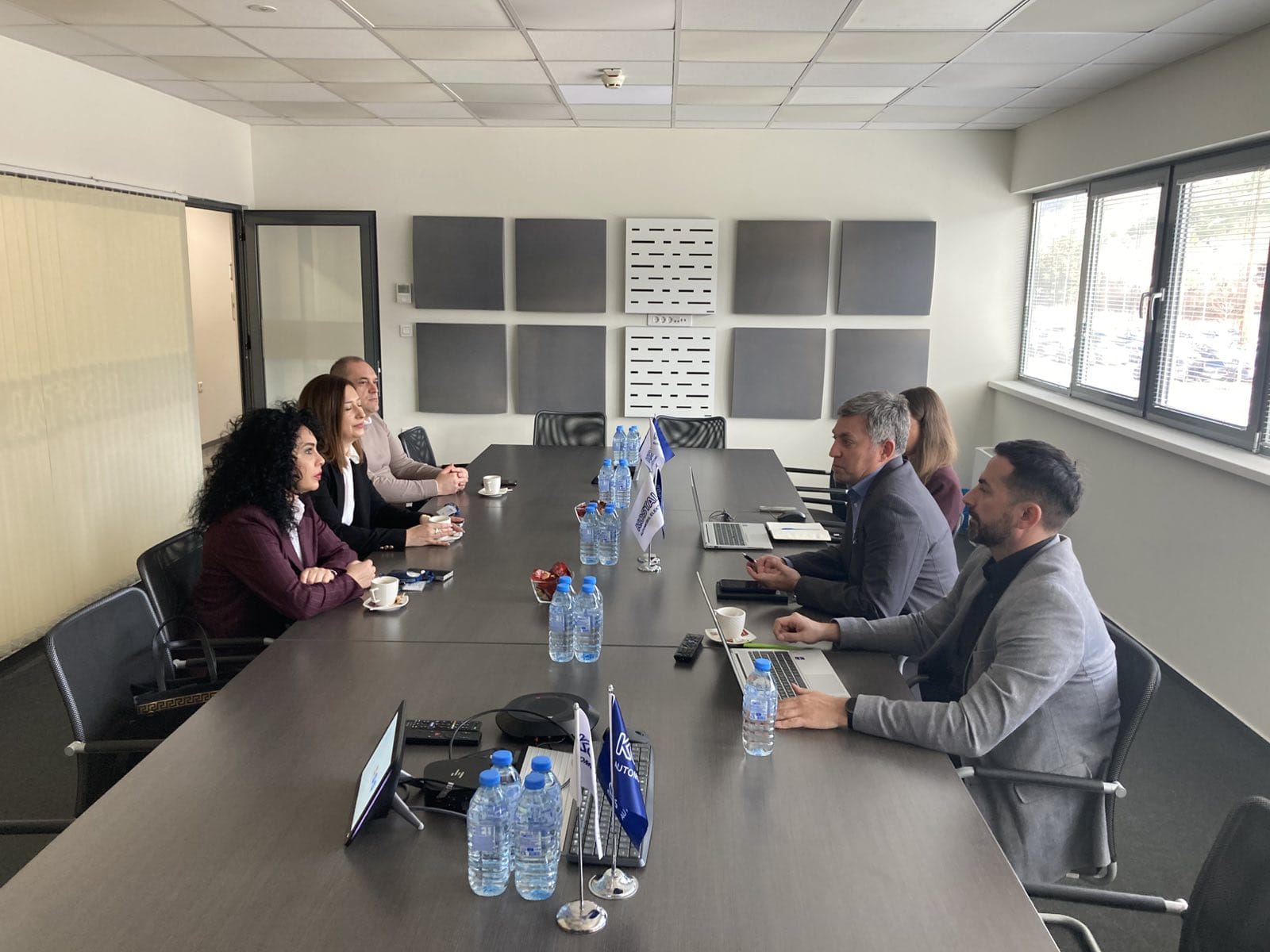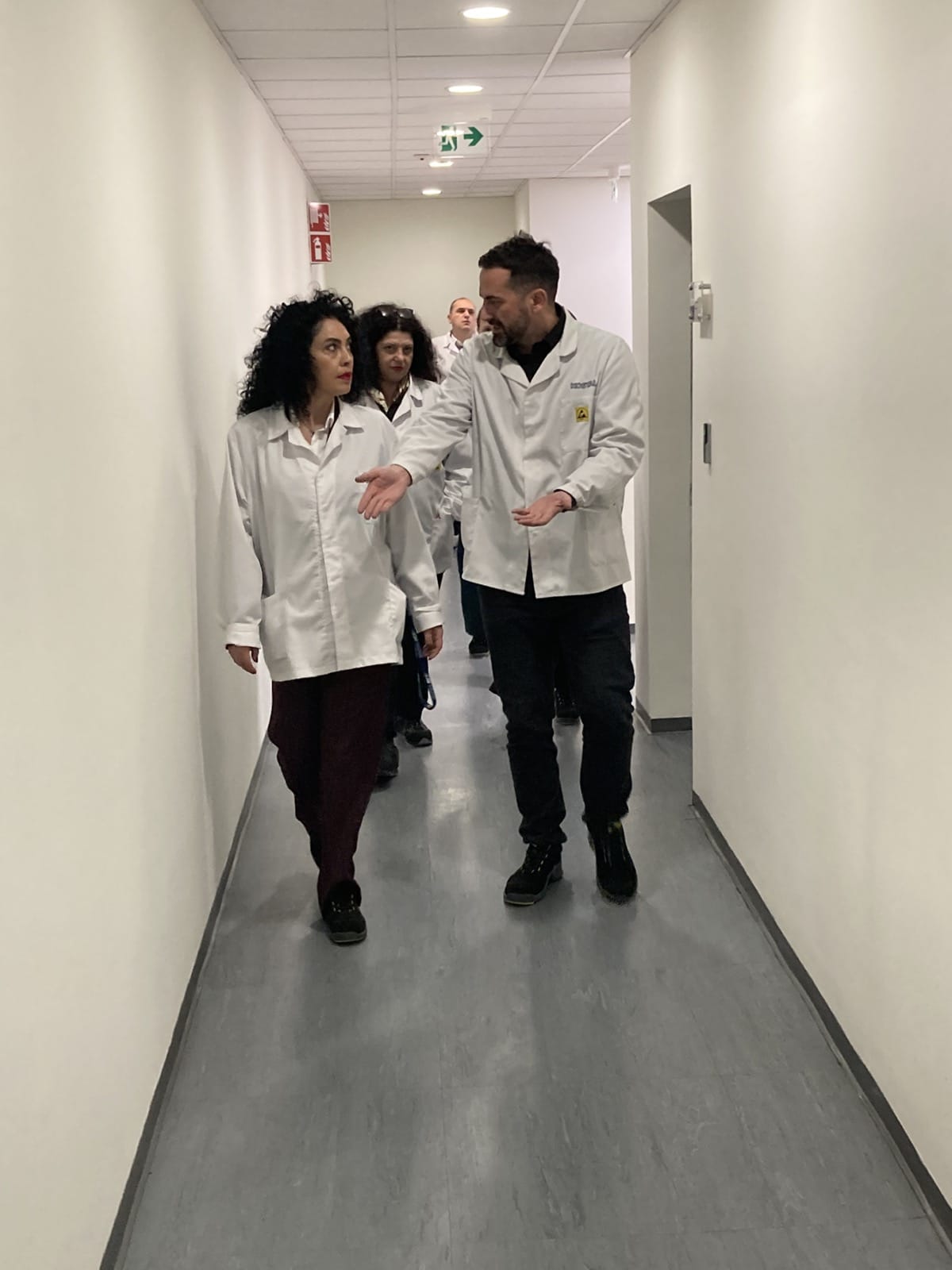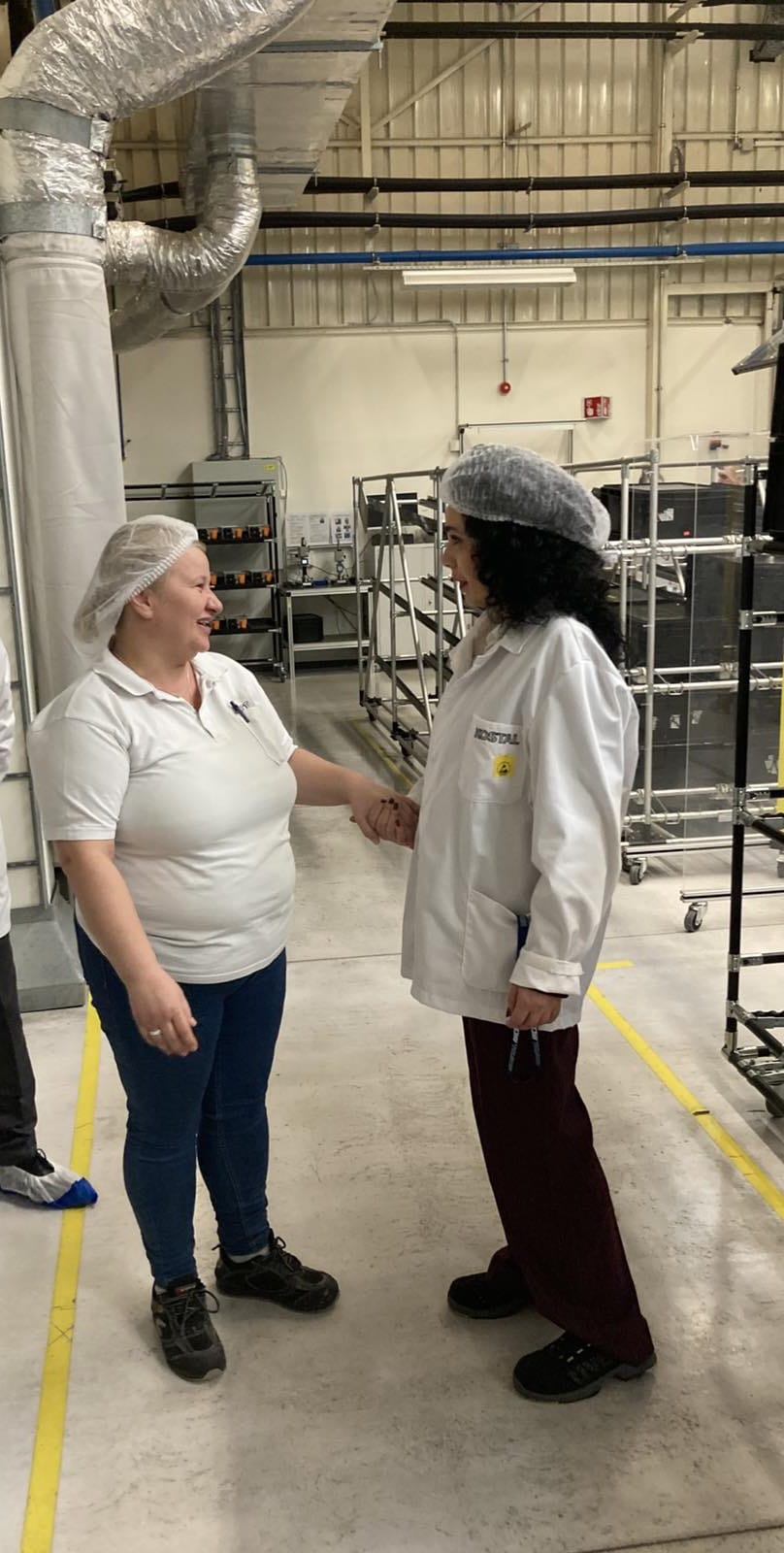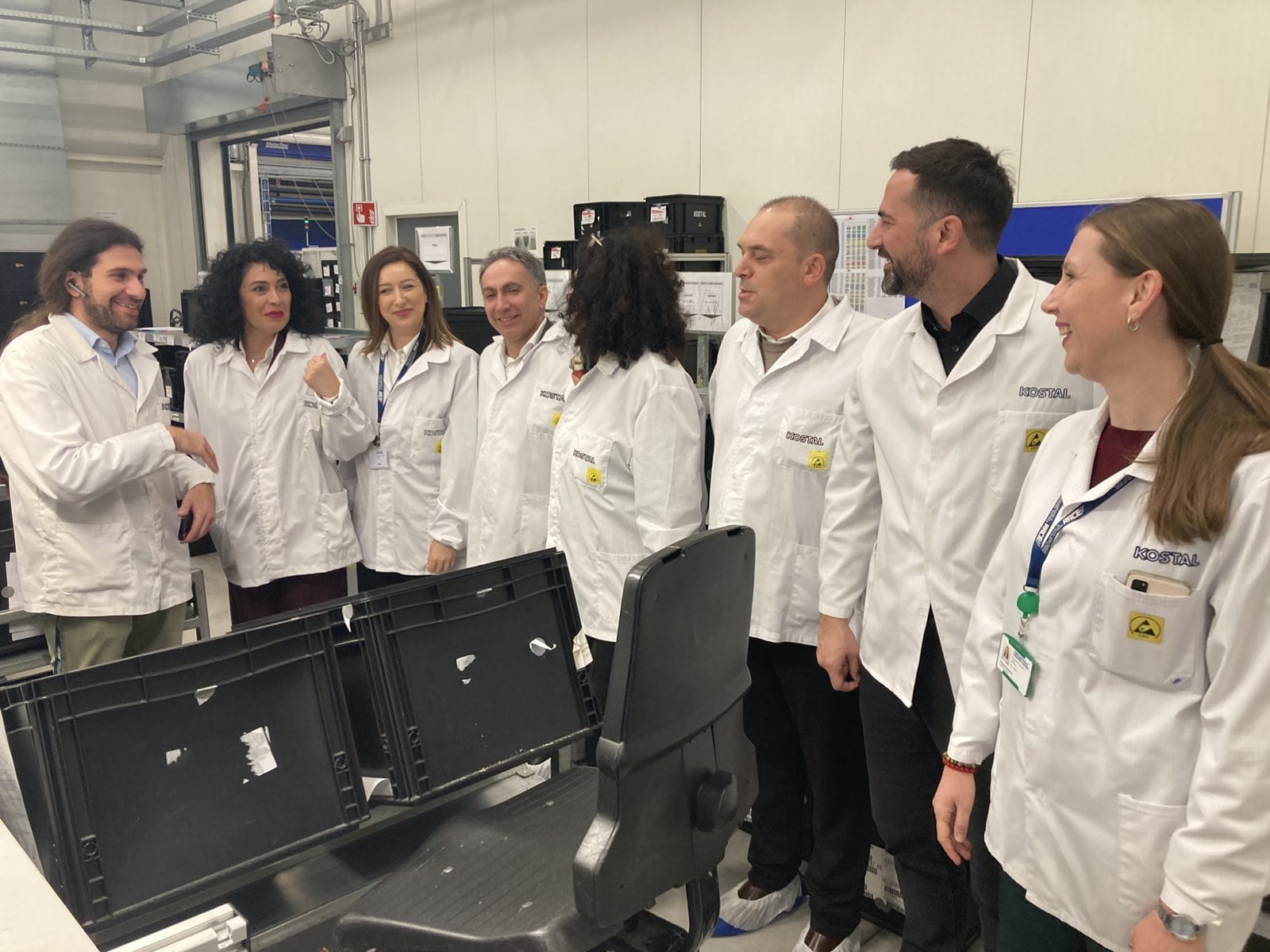
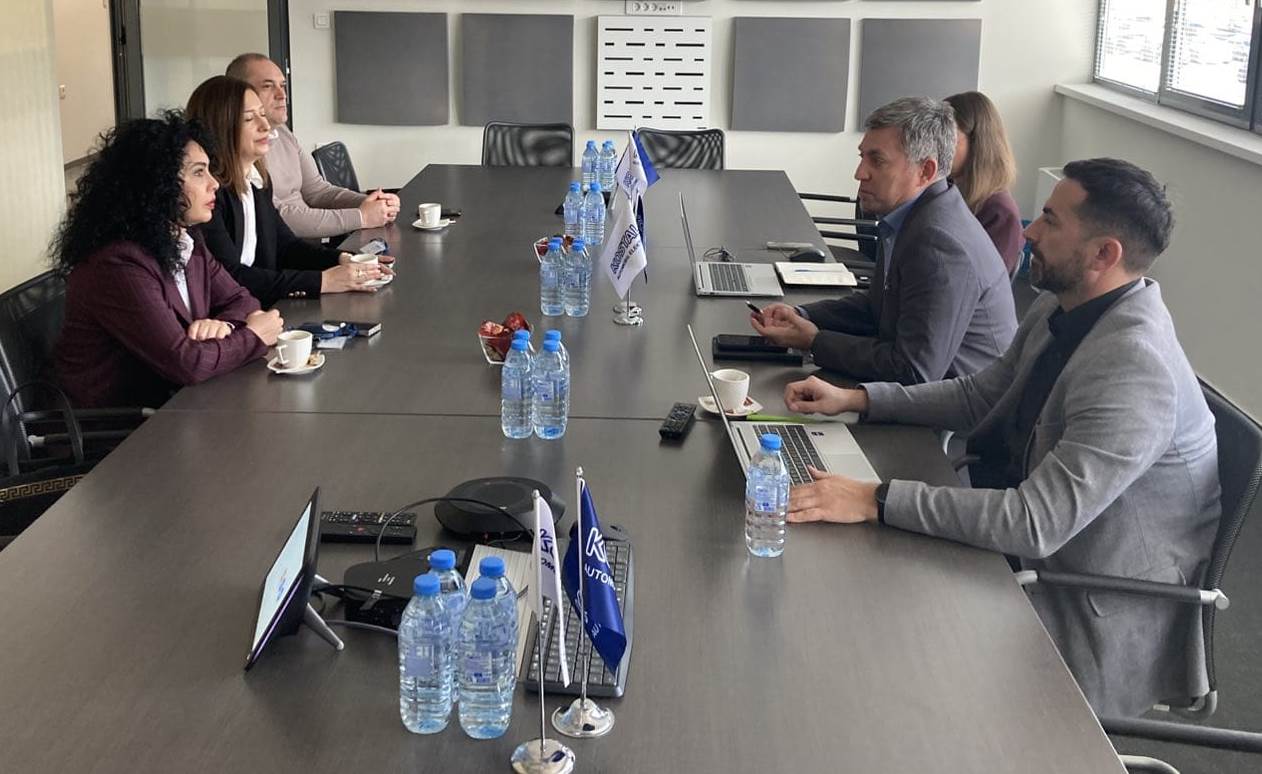
On January 22, the Deputy Minister of Environment and Physical Planning, Ane Lashkoska, visited the company “KOSTAL Macedonia” in Ohrid, in order to gain direct insight into the implementation of modern and sustainable industrial practices in the automotive industry.
As part of the visit, the practical application of the Decision for Registration of Secondary Raw Material was presented, whereby part of the waste material generated in the production process for casting plastic castings for automotive parts at “KOSTAL Macedonia” will be used as a secondary raw material and as an integral part in other industrial processes at local companies. In this way, the waste material acquires new value and functional use, instead of being disposed of as waste.
The further use of the material is completely safe from the perspective of environmental protection and human health, and it can be used without additional processing, as it meets all prescribed quality standards. In this way, KOSTAL Macedonia, as the largest German investor in the country’s automotive industry, directly contributes to the development of a circular economy through the rational management of resources and their reuse.
“The responsibility of large companies towards the community and nature must be at the highest level. Such innovative practices not only fulfill legal obligations but go beyond them, setting an example that all foreign and domestic investors should follow, regardless of the industry or the location of their operations. The Ministry and the competent services remain fully committed to raising standards and providing institutional support for initiatives that bring real benefits to the environment and society,” emphasized Deputy Minister Lashkoska during the meeting with the company’s management.
The Director of “KOSTAL Macedonia”, Viktor Mizo, emphasized that responsible environmental management and compliance with ESG standards are an essential part of the company’s corporate vision.
“True care for nature and the environment, in accordance with ESG standards, is not a formal obligation for us, but a deeply rooted principle in our corporate culture. We expect the same values from our suppliers and partners. Compliance with these standards opens up additional financing opportunities, but increasingly also represents a key competitive advantage in securing new clients and projects. Despite the numerous challenges in the industry, we remain committed to further development in this area, with efficient and professional support from institutions being of particular importance for investors,” stated Mizo.
As part of the visit, attendees had the opportunity to closely observe the advanced technological processes for the production of parts for electric and hybrid vehicles, as well as the systems for waste sorting and storage and the most modern mechanisms for ESG management and transparent reporting.
With such concrete practices, “KOSTAL Macedonia” shows that modern industrial production can be technologically advanced, economically sustainable and environmentally responsible at the same time. This initiative clearly confirms that the circular economy and ESG standards are not a vision for tomorrow, but a functional reality today – where value creation goes hand in hand with waste reduction. Such examples confirm the key role of the partnership between institutions and responsible investors, as a driver of the green transformation and the long-term, sustainable development of the country.